

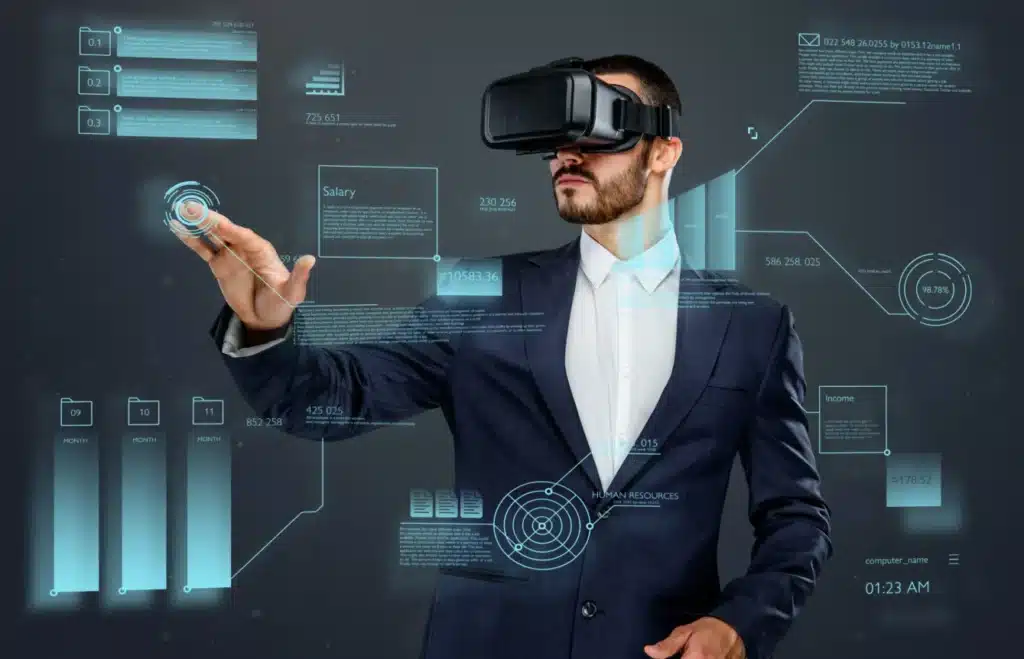
Technology is moving faster than ever, and 2026 is expected to be a major year for digital transformation. From artificial intelligence to quantum computing, from smart devices to stronger cybersecurity, new innovations are changing how people live, work, study, shop, travel, and communicate. These trends are not only important for large companies; they also affect students, small businesses, freelancers, families, and everyday internet users.
In 2026, technology will become more intelligent, more connected, and more personal. The biggest change is that technology is no longer just a tool we use. It is becoming a system that can understand, suggest, automate, and even take action. Gartner’s 2026 strategic technology trends include AI-native development, AI supercomputing, multiagent systems, confidential computing, digital provenance, and AI security platforms, showing how strongly AI and trust-based technology are shaping the future.
1. Agentic AI and Multiagent Systems
Artificial intelligence will remain the most powerful technology trend in 2026. However, the focus is shifting from simple generative AI to agentic AI. Generative AI can create text, images, code, and videos. Agentic AI goes one step further. It can plan, make decisions, complete tasks, and work with other AI agents.
For example, instead of only asking AI to write an email, a user may ask an AI agent to research a topic, compare options, prepare a report, schedule a meeting, and send follow-up messages. In business, multiagent systems may help customer service, software development, supply chain management, marketing, and data analysis.
This trend will change the full Life Cycle of work. Tasks that once needed several people and many hours may be completed faster with AI support. However, companies must also control AI carefully, because wrong decisions, biased outputs, and data privacy risks can create serious problems.
2. AI-Native Software Development
Software development is also changing quickly. In 2026, more developers will use AI-native development platforms. These platforms help write code, test software, find bugs, generate documentation, and improve security. Instead of replacing developers completely, AI will become a strong assistant that increases productivity.
For small companies and startups, this can reduce development time and cost. A small team may build apps, websites, and automation tools faster than before. For students and beginners, AI coding assistants can help them learn programming by explaining errors and suggesting better solutions.
Still, human knowledge will remain important. Developers must understand logic, security, user needs, and system design. AI can help create code, but humans must check whether the code is safe, useful, and ethical.
3. Cybersecurity Powered by AI
As technology grows, cyber threats also grow. In 2026, cybersecurity will become one of the most important technology areas. Hackers are using AI to create smarter attacks, fake messages, deepfakes, phishing emails, and automated hacking tools. To fight this, companies will use AI-powered security systems.
AI can monitor networks, detect unusual behavior, identify threats, and respond faster than traditional systems. Gartner highlights 2026 cybersecurity priorities such as AI agent identity management, post-quantum planning, AI-driven security operations, and better governance.
For everyday users, cybersecurity will also matter more. People will need stronger passwords, two-factor authentication, safer browsing habits, and better awareness of online scams. In 2026, digital safety will become a basic life skill.
4. Post-Quantum Security
Quantum computing is still developing, but its future impact is serious. Powerful quantum computers may one day break many current encryption systems. That means sensitive data, banking systems, government records, and business secrets may become vulnerable.
Because of this, post-quantum security will become a major focus in 2026. Organizations will start preparing encryption systems that can resist future quantum attacks. Gartner has also identified post-quantum computing as an action area for cybersecurity planning in 2026.
This does not mean every person will use a quantum computer soon. But governments, banks, cloud companies, and large organizations must prepare early. Security planning is not only about today’s threats; it is also about protecting future data.
5. Edge Computing and Smarter Devices
Edge computing means processing data closer to where it is created instead of sending everything to distant cloud servers. This is useful for smart homes, self-driving systems, factories, hospitals, security cameras, and Internet of Things devices.
In 2026, edge computing will become more important because AI needs faster response times. For example, a smart security camera should detect danger instantly. A medical device should analyze patient data quickly. A self-driving vehicle cannot wait for a faraway server to respond.
This trend will make technology faster, more reliable, and more private. Since less data needs to travel to the cloud, users may also get better privacy and lower latency.
6. Smart Wearables and Health Technology
Wearable technology will become more advanced in 2026. Smartwatches, rings, glasses, health sensors, and AI-powered devices will track more than steps and heart rate. They may monitor sleep quality, stress, blood pressure, fitness levels, and long-term wellness patterns.
Health technology will help people understand their bodies better. It may also support early detection of health risks. For example, a wearable device may warn a person about irregular heart activity or poor sleep habits.
However, health data is very sensitive. Companies must protect user information carefully. Users should also understand what data they are sharing and who can access it.
7. Robotics and Physical AI
Robotics is becoming more practical. In 2026, robots will be used more in warehouses, hospitals, agriculture, delivery services, factories, and homes. Physical AI means AI systems that can understand and act in the physical world.
Instead of only working on screens, AI will control machines, drones, robotic arms, smart vehicles, and service robots. This can improve productivity and reduce dangerous work for humans.
However, robots must become safer, cheaper, and more reliable before they become common in every home. In the near future, simple robots for cleaning, delivery, inspection, and industrial work will grow faster than fully human-like robots.
8. Digital Provenance and Deepfake Detection
In 2026, fake content will become harder to detect. AI can now create realistic images, videos, voices, and documents. This creates risks for politics, business, education, media, and personal reputation.
Digital provenance is a technology trend that helps verify where digital content came from and whether it has been changed. It can help users know whether a photo, video, or document is real, edited, or AI-generated.
This will be very important for news platforms, social media, universities, courts, and businesses. Trust will become a major part of the digital Life Cycle, from content creation to sharing, verification, storage, and use.
9. Sustainable Technology
Sustainability will be another major technology trend in 2026. Data centers, AI systems, cloud platforms, and digital devices use large amounts of energy. As AI grows, energy demand will also increase.
Companies will focus more on green data centers, energy-efficient chips, renewable energy, responsible e-waste management, and sustainable IT systems. Businesses will also use technology to measure carbon emissions, reduce waste, and improve resource management.
Sustainable technology is not only good for the environment. It can also reduce cost, improve brand reputation, and help companies meet regulations.
10. Immersive Technology and Spatial Computing
Virtual reality, augmented reality, mixed reality, and smart glasses will continue to improve in 2026. These technologies can change education, training, gaming, online shopping, real estate, healthcare, and remote work.
For example, students may learn science through 3D simulations. Doctors may train using virtual surgery tools. Customers may see how furniture looks inside their home before buying it. Engineers may design buildings in immersive digital spaces.
The challenge is making these devices affordable, comfortable, and useful for daily life. If companies solve these problems, immersive technology may become more common.
Conclusion
The top technology trends in 2026 show that the future will be intelligent, connected, secure, and data-driven. AI will lead the transformation, but cybersecurity, quantum-safe systems, edge computing, robotics, health tech, sustainability, and immersive experiences will also play major roles.
For individuals, the most important skill will be adaptability. People who learn digital tools, understand AI, protect their data, and keep updating their skills will have better opportunities. For businesses, success will depend on using technology responsibly, securely, and strategically.
Technology in 2026 will not only change industries. It will change everyday habits, job roles, education systems, healthcare access, and communication styles. The future belongs to those who are ready to learn, adjust, and use technology wisely.
Bottom of Form